In the world of science, research is only as powerful as its communication. At the EAGLE MSc program, we recognize that technical expertise alone isn’t enough—soft skills like scientific writing, visual storytelling, and presentation skills are just as crucial. That’s why we go beyond standard coursework to ensure our students are equipped with the ability to effectively convey their ideas to diverse audiences.
From Interest to Action: A Whole Week of Presentation Training
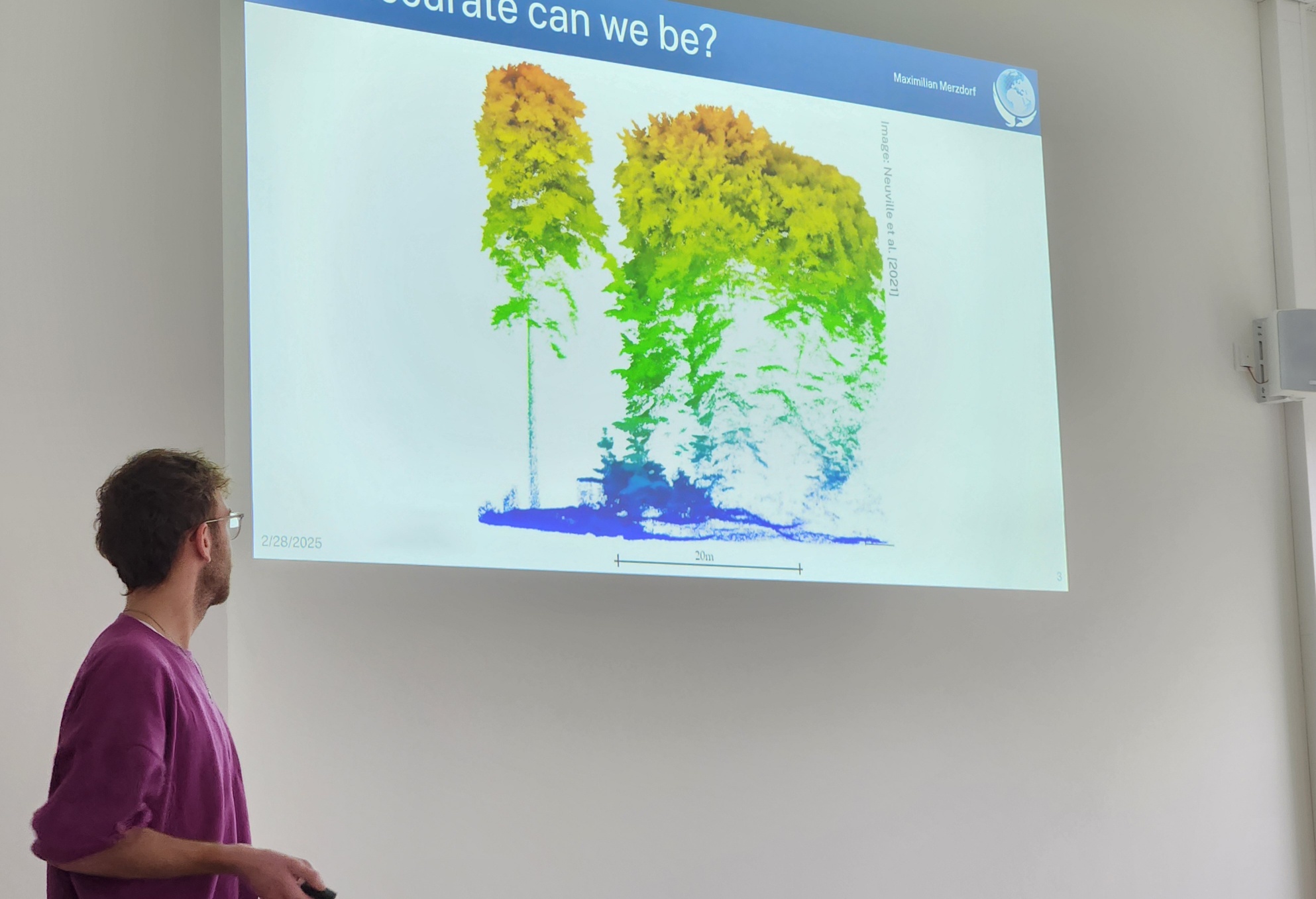
Our EAGLE students are highly motivated and proactive in shaping their learning experiences. When a group of students expressed a keen interest in refining their scientific presentation skills after the winter term finished, we listened—and we acted. In response, we organized spontaneously another additional intensive, week-long training focused on delivering engaging and effective scientific presentations.
The training wasn’t just about slides and public speaking. We took a deep dive into:
✅ Design principles: How to craft slides that are clear, visually appealing, and data-driven.
✅ Oral delivery techniques: From voice modulation to body language, we worked on making presentations more compelling.
✅ Storytelling in science: Every great presentation has a story—students learned how to structure their content for maximum impact.
✅ Challenging the norm: We discussed how far we can push creative design ideas while still adhering to the expectations of scientific communities.
Why Soft Skills Matter in Science
Scientific discoveries only make an impact when they are understood. Whether presenting at a conference, pitching an idea, or communicating with policymakers, scientists must be able to engage and inspire their audiences. Through this specialized training, our students gained confidence, sharpened their communication techniques, and explored new ways to make their research stand out.
A Community That Supports Growth
At EAGLE, we believe in learning beyond textbooks. By encouraging active student participation and responding to their needs, we create a dynamic and supportive academic environment. This week-long training was just one example of how we empower our students to excel—not just as researchers, but as communicators, storytellers, and innovators.
👉 Are you ready to join a program that values both technical and soft skills? Think about applying to EAGLE until May 15th at www.eagle-science.org
![[Spotlight] Lecturer Spotlight: Julian Faeth](https://eagle-science.org/wp-content/uploads/2026/10/Julian_Faeth_EORC_EAGLE_2026-400x250.jpg)