

Mandatory courses (40 ECTS)
mandatory courses in the 1st and 2nd semester cover basic skills for Earth Observation research
Theoretical basics (15 ECTS)
Methodological Basics (15 ECTS)

Practical Applications (10 ECTS)

Compulsory elective area (50 ECTS)
Overarching Methods and Applications in Earth Observation (10-20 ECTS)
the application courses offer a more in-depth study of various Earth Observation applications:
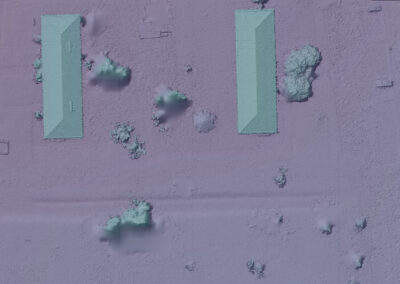
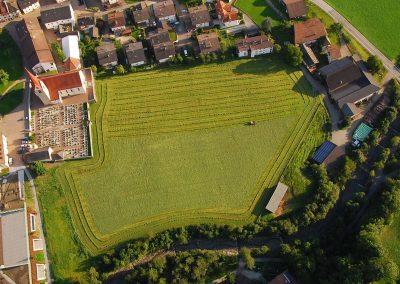
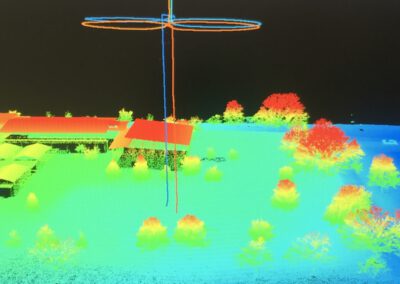
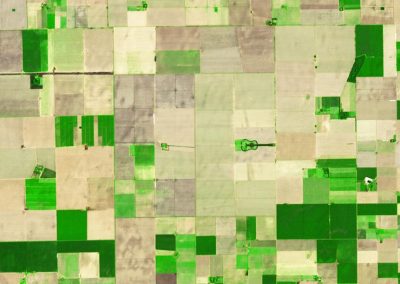
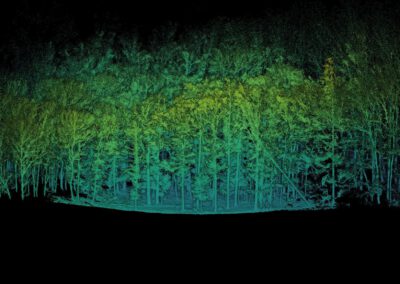
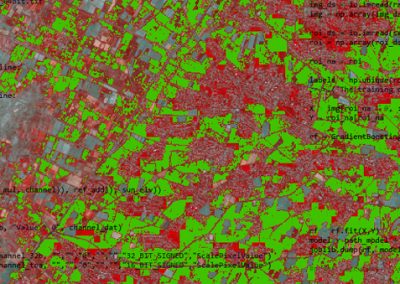
Fokus Area Environment or Urban Methods and Applications
these courses aim to deepen you knowledge in the Urban or Environment field of Earth Observation:

Soft Skills (5-15 ECTS)
courses to learn about scientific writing, presentation, project management and other topics relevant for Earth Observation research:

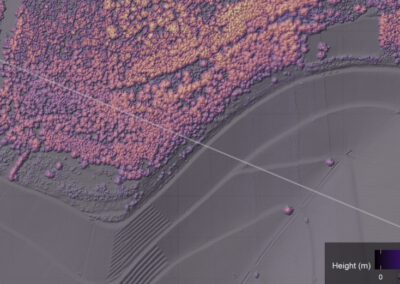
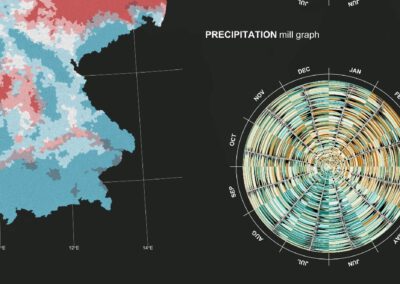
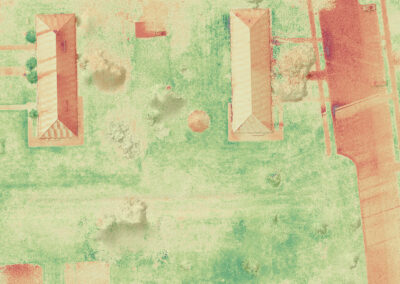

Exemplary course syllabus for different focus areas
some suggestions for optional courses for different focus areas are listed on the EAGLE specialization page

Recent News
Learn about EAGLE updates and general news
![[spotlight] Lecturer Spotlight: Martin Wegmann](https://eagle-science.org/wp-content/uploads/2026/07/Martin_Wegmann_EAGLE_lecture_2026-400x250.jpg)
[spotlight] Lecturer Spotlight: Martin Wegmann
If you've ever sat in a Würzburg classroom learning how to wrangle satellite data, there's a good chance Martin Wegmann was the one standing at the front. He's been the driving force behind the EAGLE MSc program, the Applied Earth Observation degree at the University...
EireR R package: unified gateway to Irish geospatial data
Anyone who's tried to do geospatial work across the whole island of Ireland knows the headache. Ireland is one island geographically, but it's split across two jurisdictions, the Republic and Northern Ireland, and each one runs its own data infrastructure. Different...
Impact of agrophotovoltaic facilities – an R package
There's a new R package on the block, and it's solving a problem that sounds simple until you actually try to do it: how do you tell whether putting solar panels over a farm field is good or bad for the soil and the crops around them? Marlene, one of our EAGLE...